Medical Director Services
When clinical leadership needs an active partner.
- Set clinical priorities with facility leadership
- Connect QAPI review to decisions and owners
- Clarify policies, communication, and escalation

Physician care & medical leadership
Physician care and medical leadership for post-acute and senior living communities. Thoughtful assessment. Direct communication with nursing. A clear plan for residents and families.
Explore careers Physicians · APPs · Community liaisons
From one setting to the next
Facility partnerships. Please keep patient information and urgent clinical concerns out of this website. Start with your facility’s broad need.
How we support your facility
Choose a focused role or a broader relationship. We agree on responsibilities with your existing team before work begins.
When clinical leadership needs an active partner.
When resident care needs a defined coverage plan.
When review meetings need a clear next step.
A practical example
A useful review leaves the team knowing what happens next. This illustrative action register shows how a shared priority becomes visible work.
Explore the sample reportIllustrative example · synthetic information
| Priority | Owner | Status |
|---|---|---|
| Response pathway | Administrator | Closed |
| Family communication | Medical Director | On track |
| Medication follow-through | Unit Manager | Overdue |
An example of the format, not a claim about a client’s results. Measures, owners, and review cadence are agreed with each facility.
Our clinical approach
Dr. Rishi Gulati combines his experience in post-acute and long-term care with fellowship training in critical care medicine.
That perspective connects changes in breathing, circulation, alertness, and function with a practical plan for the resident and care team.
Conventional oxygen, high-flow nasal cannula, CPAP, and BiPAP serve different purposes. Understanding their capabilities and limitations helps inform the review of respiratory needs, treatment response, and the appropriate care setting.
Oxygen saturation is considered alongside breathing effort, respiratory rate, changing oxygen requirements, and alertness. A pulse oximeter does not measure carbon dioxide.
A resident’s usual baseline and recent trajectory give meaning to individual readings. Increasing oxygen needs, new confusion, reduced intake, or declining activity tolerance may warrant reassessment even when another measurement appears reassuring.
Capillary refill, skin temperature, blood pressure, heart rate, alertness, and available urine-output information can contribute to the assessment of circulation. Each finding is interpreted in context; capillary refill is one part of the examination.
Breathing difficulty can involve the lungs, heart, fluid balance, kidney function, medications, or several factors together. A connected assessment considers how these problems interact and how the resident responds to the care plan.
A useful clinical plan identifies what to observe, when reassessment is needed, whom to contact, and which changes require urgent evaluation. Clear communication with nursing and respiratory therapy, where available, supports a shared understanding of the plan.
Hospital transitions require an understanding of the illness course, current respiratory support, medication changes, pending results, and follow-up needs. Recovery planning also considers cognition, nutrition, mobility, and the resident’s goals of care.
Care decisions reflect the resident’s goals and the facility’s staffing, equipment, monitoring capabilities, and ability to escalate care. Advanced respiratory support requires an appropriately equipped and staffed setting; acute deterioration may require emergency evaluation.
Goals of care & family conversations
When illness changes the plan, residents and families deserve a clear conversation. Dr. Gulati’s critical care experience informs how he listens, explains complex medical situations, and supports people through uncertainty.
Our aim is for residents and families to feel heard, informed, and supported—with space for questions, emotions, and honest discussion about what lies ahead.
Begin with the resident’s values, priorities, and understanding of their illness. Include loved ones as the resident wishes and an authorized decision-maker when needed. Make room for fears, hopes, and cultural or spiritual concerns.
Discuss the medical picture, likely course, and treatment options in plain language—including potential benefits, burdens, and uncertainty. Offer compassionate support through difficult news and decisions.
Connect the resident’s priorities to a documented care plan and revisit it as their condition or wishes change. Goals may include recovery, maintaining function, life-prolonging treatment, comfort, or a combination.
Working with facility staff, these conversations help clarify the resident’s preferences, the plan for changes in condition, and what should be communicated across shifts and care transitions.

Physician leadership
Founder & Medical Director
Post-acute care experience. Fellowship training in critical care medicine.
rishi@bridgecaremedicine.comDr. Gulati’s fellowship training

Critical Care Medicine · Jefferson Health
The people behind BridgeCare
Clinical judgment, daily coordination, and facility relationships each need an owner. Meet the physicians, advanced practice provider, operations staff, and community liaisons behind that work.
Meet the full team →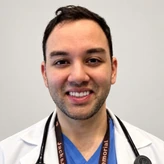 Qasim Jafri, DOPhysician · New Jersey operations
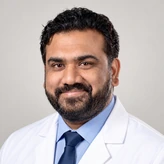 Haroon Chaudhry, MDPhysician · Vermont operations
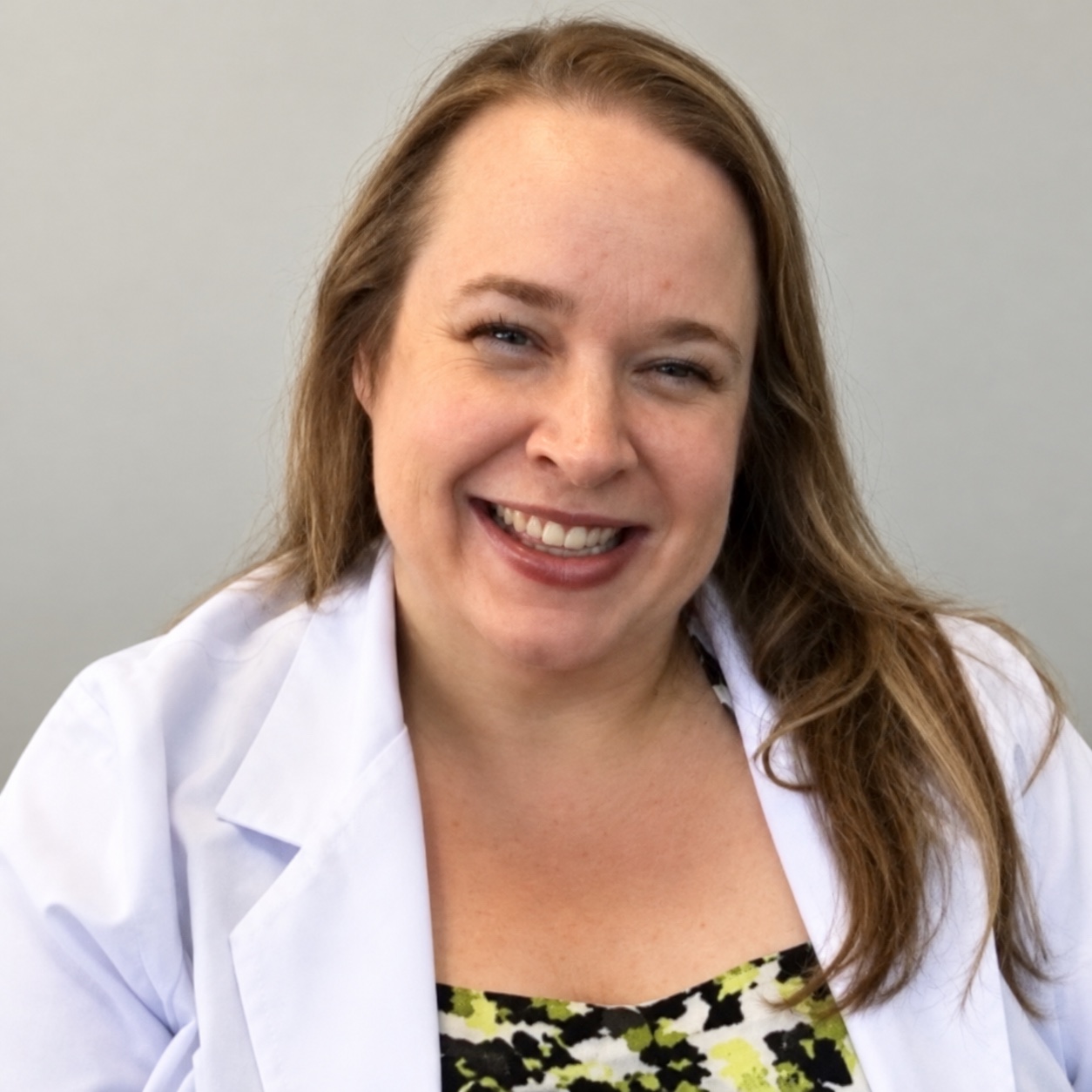 Janet Gibson, DNP, MBA, FNP-BCFamily Nurse Practitioner
Where the conversation can start
Facility inquiries are welcome in Delaware, New Jersey, Pennsylvania, and Vermont. We confirm availability for your location and requested scope before making a commitment.
Availability depends on licensure, credentialing, schedule, and clinician capacity.
From first conversation to working together
A useful partnership starts with explicit responsibilities and shared expectations.
Review your facility, location, broad service need, timing, and decision-makers.
A shared understanding of fitAgree on responsibilities, coverage windows, communication pathways, and backup expectations.
A facility-specific operating planComplete the required contracting, credentialing, and onboarding before clinical work starts.
Confirmed prerequisites and readinessIntroduce the working model to the team and agree on a review point for priorities and follow-through.
Clear owners and a next checkpointTiming and service availability depend on the agreed scope, licensure, credentialing, schedule, and clinician capacity.
Before we work together
The questions that shape a workable relationship.
Read the full FAQYes. The role can be structured to complement an existing medical director, attending group, nursing leadership team, or regional clinical operation. Responsibilities and communication pathways are defined before work begins.
Those expectations are set in the facility-specific scope. The conversation covers coverage windows, escalation pathways, communication standards, response expectations, and how BridgeCare coordinates with the existing team.
BridgeCare confirms the facility's needs, geography, and requested scope, then outlines a defined service and coverage conversation with the appropriate facility leaders.
Let’s talk about your facility
Bring your facility location, the role you are considering, and your timing. The first conversation clarifies fit, responsibilities, and the next decision. No patient information is needed.